

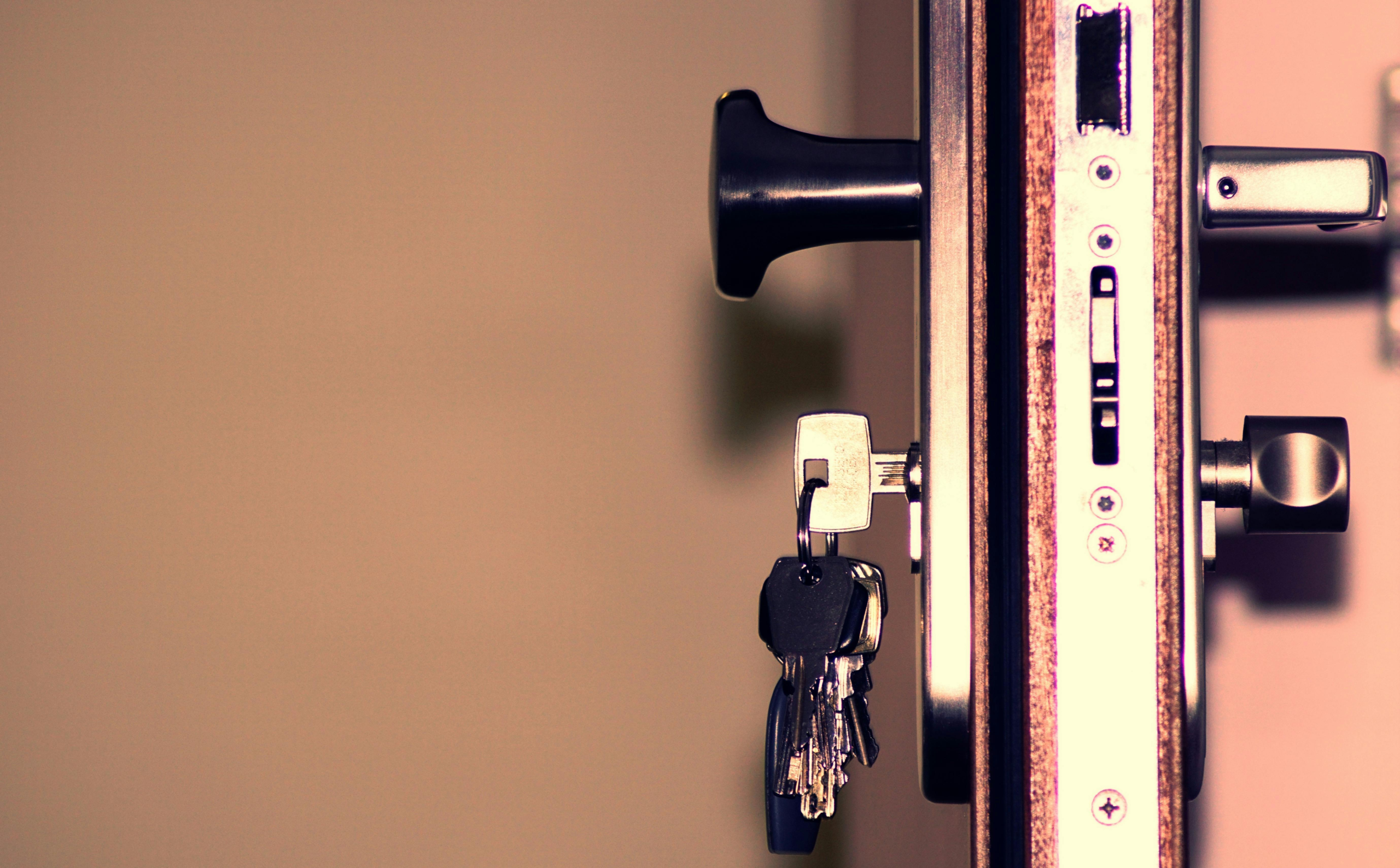
If you’re a tenant in Cleveland and you come home to find the locks changed, it can feel like your life just got yanked out from under you. Maybe you’re behind on rent. Maybe you argued with your landlord. Maybe you got a “3-day notice,” and now you’re being told you’re out. Here’s the thing: in most situations, an Ohio landlord can’t legally change your locks to force you out—and that’s exactly what this guide on Ohio Landlord Change Locks is here to clarify.
We’ll break down what counts as an illegal lockout (often called a self-help eviction), what Ohio law says about it, and how the Cleveland-area court process actually works. More importantly, you’ll get a practical, tenant-first action plan: what to do immediately, what proof to gather, how to document the lockout, and how to protect yourself if your landlord tries to remove your belongings or shut off utilities. By the end, you’ll know your rights—and your next move.
The straight answer: Can a landlord change the locks in Cleveland?
If you’re a tenant in Cleveland and your landlord has changed the locks without a court order, you have a legal concern—not just an inconvenience. Under Ohio law, a landlord cannot legally change the locks to force you out, even if you’re behind on rent, even if they gave you notice, and even if they claim you abandoned the unit. Taking this kind of action is commonly called a self-help eviction, and in Ohio, it’s specifically illegal.
The “self-help eviction” rule in Ohio
In Ohio, the law prohibits landlords from using tactics like changing locks, shutting off utilities, or physically removing your belongings in an attempt to recover possession of a residence outside of the court system. This is codified in Ohio Revised Code Section 5321.15, which says a landlord may not initiate acts (such as changing locks or excluding tenants) “for the purpose of recovering possession of residential premises” except through the legal eviction process.
Plainly put: unless a landlord has gone through the formal eviction procedure (notice → filing → court hearing → judgment), they do not have the legal right to change your locks or shut off your utilities in an effort to make you leave. Even threats of doing these things can be illegal.
Does it matter if you’re behind on rent? (No.)
Some landlords mistakenly assume that if a tenant is late on rent, they can simply lock the tenant out to force payment or abandonment. However, Ohio law makes no exception for late or unpaid rent when it comes to self-help evictions. Even if you owe money, the landlord must follow the proper eviction process; they cannot take matters into their own hands by changing locks or excluding you from your home.
This rule serves two important purposes for tenants:
- It protects your right to due process, and
- It prevents landlords from taking self-help measures that could cause sudden homelessness or loss of personal property.
What about threats to change locks or shut off utilities?

Ohio law not only bars landlords from locking tenants out, but it also prohibits threats of doing so as a tactic to force a tenant to leave. A landlord who threatens to cut off power, water, heat, or change locks to intimidate a tenant is engaged in conduct that can be actionable under state law.
What Ohio law says (ORC 5321.15 )
When tenants hear “that’s illegal,” the natural follow-up is: illegal according to what? In Ohio, the answer is clear and powerful. The rule against lockouts and other “pressure tactics” comes directly from Ohio Revised Code § 5321.15—a tenant-protection statute designed to stop landlords from forcing people out without due process.
This law makes it unlawful for a landlord to take actions meant to recover possession of a rental unit outside the court system. That includes:
- Changing or blocking access to locks
- Removing doors or windows
- Shutting off utilities like water, heat, or electricity
- Removing or destroying a tenant’s belongings
All of those are considered forms of self-help eviction. Instead of using courts, the landlord tries to make the home unlivable so the tenant “gives up.” Ohio law says they cannot do that.
What makes ORC 5321.15 especially important for Cleveland tenants is that it doesn’t just say “don’t do this.” It gives you enforcement power.
What tenants can recover under ORC 5321.15
If a landlord illegally locks you out or cuts off utilities, the statute allows a tenant to sue for:
- Actual damages – hotel costs, missed work, spoiled food or medication, damaged property, childcare expenses, storage fees, and similar losses
- Reasonable attorney’s fees – meaning you may not have to pay out of pocket to enforce your rights
That second part is huge. It changes the power dynamic. Without attorney-fee recovery, many tenants would be unable to challenge illegal lockouts. With it, landlords face real financial risk for taking shortcuts.
If you’re dealing with an illegal lockout in Cuyahoga County, organizations like The Legal Aid Society of Cleveland can help tenants understand their rights and take the next step.
Real-life examples of “damages” tenants forget to track

Tenants often think damage only means “broken furniture.” In reality, courts look at everything that flows from the lockout:
- A night in a hotel because you couldn’t get inside
- Lost wages from missing work while dealing with the crisis
- Groceries that spoiled when the power was cut
- Prescription medication left inside
- Rideshare or transportation costs to recover belongings
- Storage fees if the property was removed
Each receipt, photo, and timestamp strengthens your position.
Why does this law exists
ORC 5321.15 exists because housing is not just a contract—it’s shelter. Losing access instantly can mean sleeping in a car, missing work, or being separated from children or medication. The law forces landlords to use predictable, supervised court procedures instead of unilateral force.
For Cleveland tenants, that means something simple but critical:
A landlord does not get to decide, on their own, that you are “out.”
Only a judge can do that.
And until a court says otherwise, that unit is still your home.